
Power Flushing
in Spalding and Peterborough
|
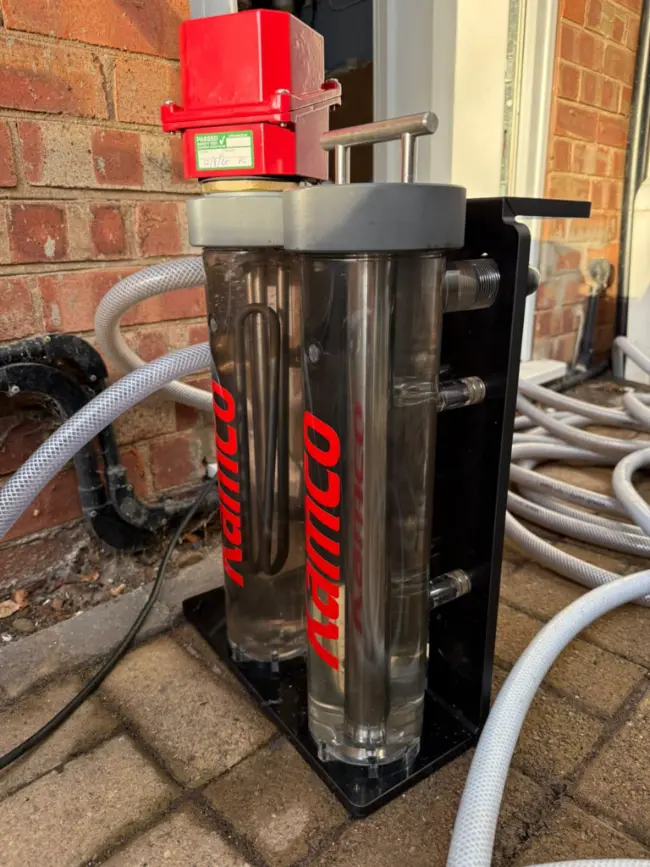
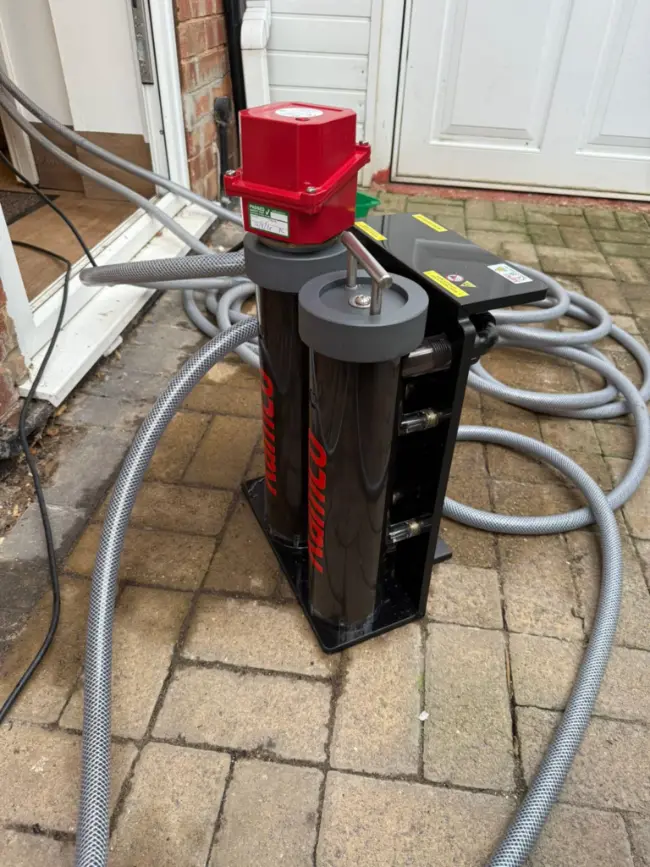
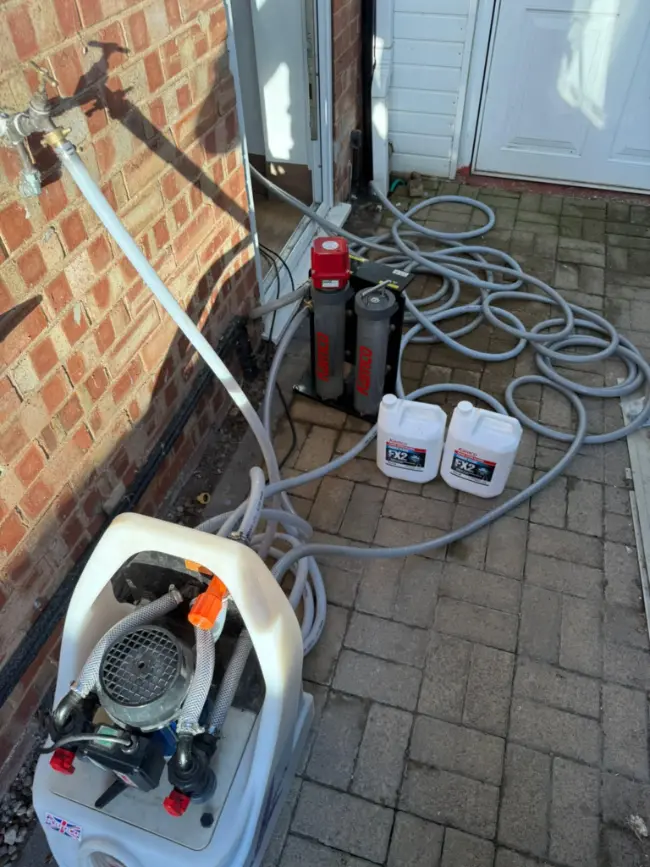
It is very common for central heating systems to eventually become clogged with rust, sludge, and debris, which greatly reduces their efficiency. Louis Greetham Plumbing & Heating offer professional power flushing in Spalding and Peterborough (along with nearby towns and villages) to clean radiators, pipes, and boiler internals. Power flushing involves using a pumping machine and specialist cleaning chemicals to flush out the sludge and grime that builds inside your heating system. Customer’s immediately recognise the improved water circulation that both reduces noise and makes the radiators heat easier and more evenly. Over time the better boiler efficiency also results in cost savings.
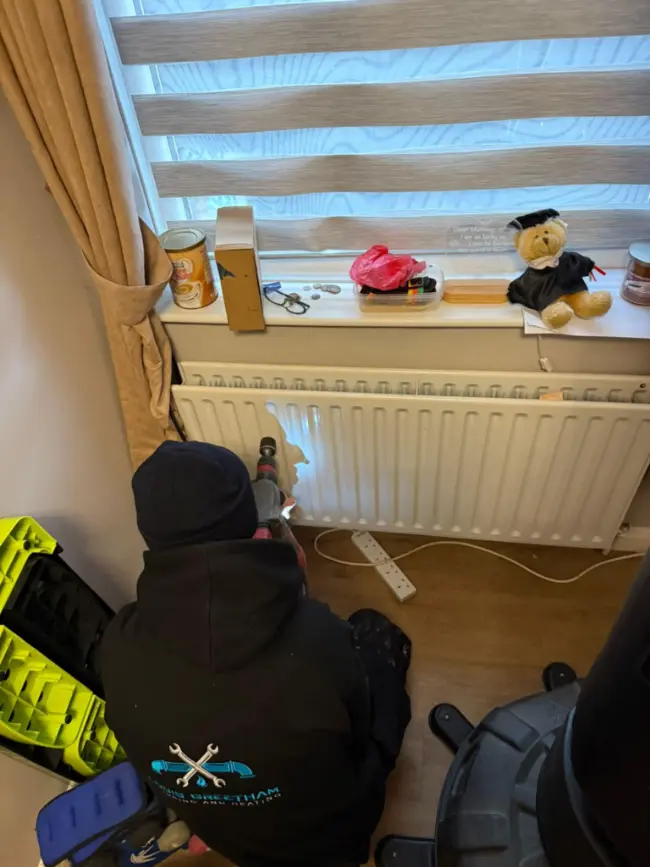
The signs you need a power flush are if you notice cold spots at the bottom of your radiators, or radiators taking a long time to heat up, or noisy banging sounds from your boiler (often called ‘kettling’). These symptoms mean that sludge or corrosion is hindering the flow of hot water. Our team can evaluate your system and, if necessary, perform a thorough power flush to restore proper heating performance. We connect a powerful flushing unit to your central heating and push through powerful chemical cleaners that dislodge rust and sediment during flushing. Finally, we add a corrosion inhibitor afterwards that helps prevent future build-up.
- We provide Power Flushing in Spalding and also serve Peterborough, Pinchbeck, Bourne, Holbeach, Stamford, Boston, and Long Sutton.
- ⭐⭐⭐⭐⭐ Local Power Flushing
Free Power Flushing Quote
Local Power Flushing in Spalding
Central Heating Improvements near Peterborough
Having your heating system power flushed will extend the life of your boiler and pump by reducing system strain. It also makes your home heat up more evenly and lower energy bills, since your boiler won’t have to work as hard to circulate hot water. Our power flushing service is available not only in Spalding but also in nearby areas like Peterborough, Bourne, Holbeach, Stamford, Boston, and Long Sutton. We use specialist equipment operated by experienced heating engineers, so you can be confident you will see and feel the difference. After a power flush, customers notice rooms warming up faster, less radiator/system noise and a significant improvement in overall heating efficiency.
There is no strict schedule for power flushing; it’s generally done on an as-needed basis. Many systems might not need a flush for 5 to 10 years. However, if you have a new boiler installed onto an older radiator system, a flush is often done at that time. We recommend a power flush when you experience symptoms of sludge (like cold radiators or murky water when bleeding radiators) or before installing a new boiler to protect the new unit from debris.
In most cases, yes. Cold spots on radiators (especially at the bottom) are usually caused by sludge buildup. A power flush will remove that sludge, which allows hot water to circulate through the entire radiator again. After a flush, radiators should heat more evenly. If a radiator is cold due to other issues (like a faulty valve), we can diagnose and address that too, but sludge is a very common cause.
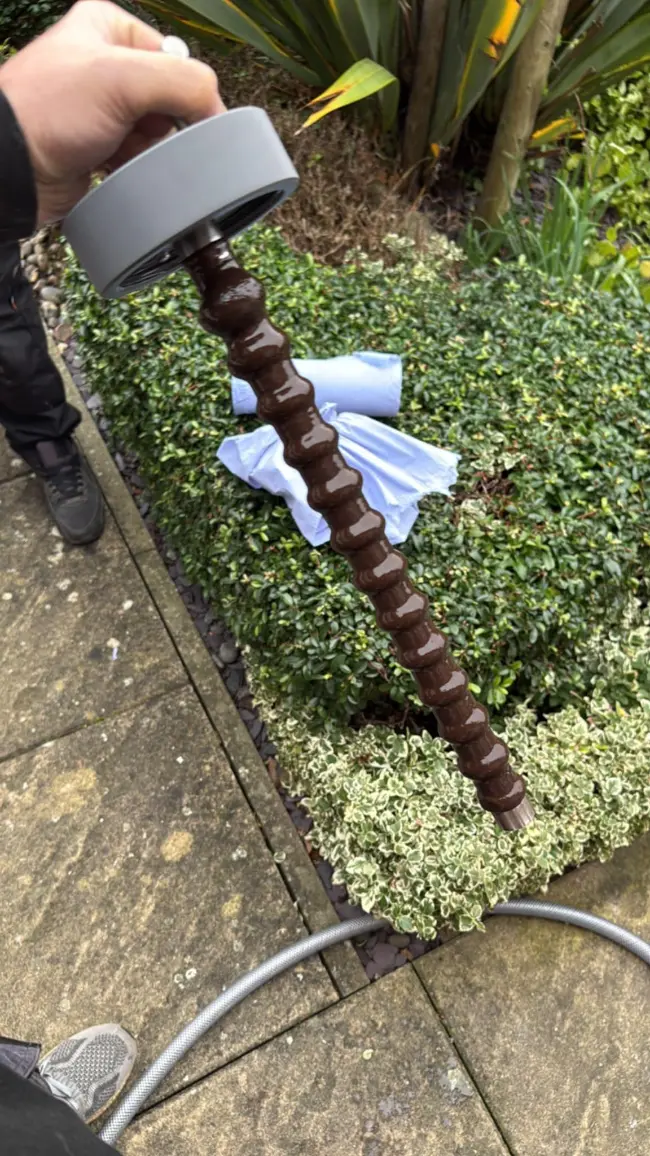
We take precautions to make the process as neat as possible. Our engineers connect the flushing machine with hoses to your heating system, and the sludge and dirty water are drained away into suitable containers or waste outlets. You might see some dark water when we discharge the system, but we take care to contain it and clean up afterward. The process typically takes a few hours to complete for an average house, and you can usually stay at home while we work with minimal disruption.
It’s very unlikely to cause damage when performed by professionals. In some cases, if radiators or pipes have very weak spots due to corrosion, a power flush might expose them (for example, a pinhole leak might start to drip). However, this would indicate that the part was already failing. Our team handles your system carefully and monitors for any issues during the flush. If we find any pre-existing weaknesses, we will advise you on repairs. Overall, a power flush is a safe procedure that can actually prevent future problems by cleaning out corrosive elements.
Yes. We are based in Spalding but also provide power flushing services in all surrounding areas. This includes Peterborough, Bourne, Holbeach, Stamford, Boston, Long Sutton, and other nearby communities. If you’re not sure whether we cover your area, just give us a call – chances are we do, as we serve most of the South Lincolnshire and nearby Cambridgeshire region.
EXCELLENTTrustindex verifies that the original source of the review is Google. It took only half an hour to fix my issues,very professional!Posted onTrustindex verifies that the original source of the review is Google. It is a pleasure to work with Louis.Posted onTrustindex verifies that the original source of the review is Google. Louis came to install a new Boiler, a couple of new radiators and connect our cooker up to the mains gas. The communication was great, the workmanship was outstanding and my home was left clean and tidy after the works. I would defiantly recommend Louis and his team, Thanks so muchPosted onTrustindex verifies that the original source of the review is Google. Great service from initial contact to completing the job. No hassle, arrived on time and great communication throughout. Will use again and recommend!Posted onTrustindex verifies that the original source of the review is Google. Very knowledgeable and friendly people. Would definitely recommend :) ThanksPosted onTrustindex verifies that the original source of the review is Google. Highly recommend,replaced new boiler,very happy with service,quick response and brilliant job.Thank you so much AstaPosted onTrustindex verifies that the original source of the review is Google. Great work done by Lewis. He serviced boiler thoroughly and also put in a new shower. He always tidies up after himself and is polite and friendly. I have no hesitation in recommending Louis as he installed the boiler 5 years ago and has serviced it every year. He will always try to fit you in to his busy schedule, sometimes going out of his way to do so.Posted onTrustindex verifies that the original source of the review is Google. What a great tradesman , we have used Louis on two occasions now. Both times he has done an exceptional job and in a very pleasant respectful manner with in an affordable price range. If you need a plumber this is your man.Posted onTrustindex verifies that the original source of the review is Google. Louis came out promptly to assess the problem and give me a quote. Once accepted the job was carried out 2 days later by Pete. Both were polite, friendly and helpful. Louis even managed to juggle things around so I didnt have to have the day off work. Wouldn't hesitate to use again.Posted onTrustindex verifies that the original source of the review is Google. Contacted Louis about a boiler service and an issue with the hot water tank and arranged a date & time for the team to come and make the initial inspections. Once those had happened, a new date was set to undertake the work required. Louis and Reece were both on site and worked on the boiler and water tank. The boiler was serviced ok but there was a little hiccup with some part required for the tank fix, so this was arranged to be fixed asap once the required part was attained. A massive shout out to Reece who came to finish the fix on the tank essentially out of their businesses' working hours. The team were very communicative and professional throughout and we are very happy with the work and how clean the job site was when completed. Highly recommended. Will happily utilise again for any pluming issues and are likely to have these guys service our boiler annually also.Verified by TrustindexTrustindex verified badge is the Universal Symbol of Trust. Only the greatest companies can get the verified badge who has a review score above 4.5, based on customer reviews over the past 12 months. Read more
Common Problems
In Older Heating Systems...
|
One of the most common problems in older heating systems is sludge. Over time, the inside of steel radiators slowly corrodes. Tiny particles of rust circulate through the system and eventually settle in the lowest parts of radiators and pipework.
When this happens, heat cannot spread evenly. The top of the radiator becomes hot while the bottom stays cold. Some rooms warm up quickly while others never quite reach a comfortable temperature. Many homeowners first notice the problem when they bleed a radiator and the water comes out dark brown instead of clear.
Strange noises from the boiler often point to circulation problems. As sludge builds up, water struggles to move freely through the system. The boiler works harder to push heat around the pipework.
You might hear knocking, banging or a sound similar to a kettle boiling. Engineers call this kettling. It usually means heat is building up in the wrong places inside the boiler because the water cannot circulate properly.
Left alone, this can put unnecessary strain on the boiler and shorten its lifespan.
Another common complaint is that the heating simply takes too long to warm the property. Radiators might eventually heat up, but it can take an hour or more before rooms feel comfortable.
Poor circulation, sludge build up and ageing components all contribute to this. Once the system is cleaned or updated, the difference is often immediate. Radiators heat more evenly and the house reaches temperature much faster.
Older heating systems often develop small leaks around valves, joints or ageing pipework. These leaks are not always obvious. Sometimes the only clue is the boiler pressure slowly dropping over time.
Homeowners often top the pressure up repeatedly without realising the system is losing water somewhere. Radiators may feel weaker and hot water may take longer to reach taps. Finding and fixing the underlying issue usually restores normal performance.
Many older systems still rely on basic thermostats or mechanical timers. These controls often lack precision and can be difficult to adjust.
Heating may run longer than necessary or switch off before the house reaches the desired temperature. Modern thermostats and smart controls allow much better temperature management. Even a small upgrade here can make heating feel far more consistent throughout the home.
Older properties often use gravity fed hot water systems. A tank in the loft supplies water to the cylinder and relies on gravity to create pressure.
This setup works, but it often leads to weak showers and slow flowing taps. The problem becomes more noticeable when several outlets are used at the same time. Many homeowners choose to upgrade to a modern pressurised cylinder or combi boiler to improve water flow across the house.
More information on Cylinder Installation.